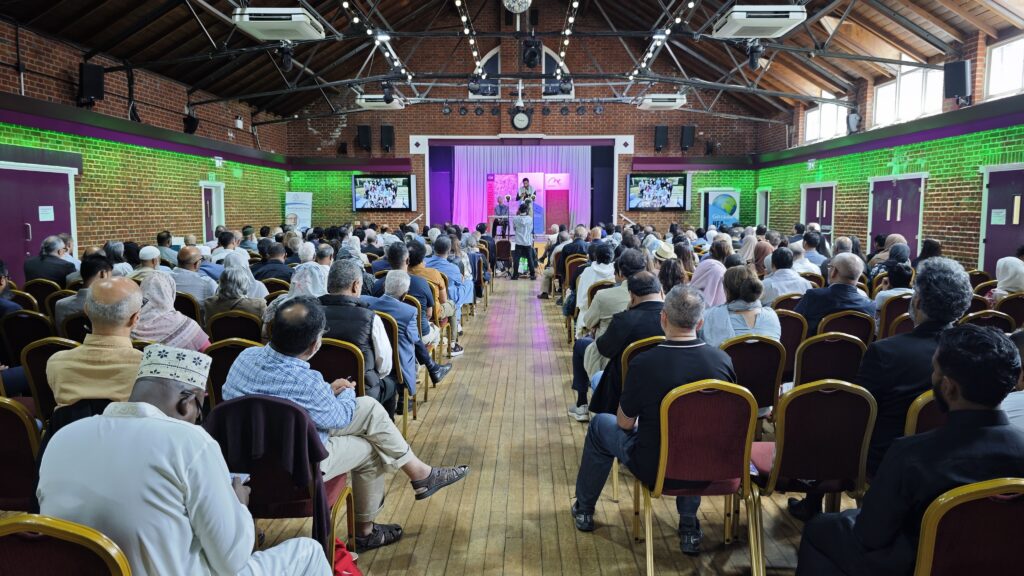
A remarkable gathering of Muslims and non-Muslims, activists, academics, community leaders, family members, and friends came together to mourn the loss of Dr Ghayasuddin Siddiqui at a special memorial service held on 31 May 2026 at Kenton Hall in London.
Dr Siddiqui, who passed away on 18 April 2026 at the age of 86, was remembered not only for his decades of service to the British Muslim community but also for his tireless efforts to build bridges across faiths, cultures, and political divides.

Few individuals have left a greater mark on British Muslim civic life. Dr Siddiqui co-founded The Muslim Institute and the Muslim Parliament of Great Britain, helped establish the Halal Food Authority, supported the Stop the War Coalition, championed the British Muslims for Secular Democracy movement, and even helped organise Malcolm X’s visit to Sheffield University in 1964.
Throughout his life, Dr Siddiqui was a relentless advocate against forced marriage, domestic violence, honour-based abuse, and extremism. His work focused on civil liberties, human rights, and the Prophet Muhammad’s concept of an Ummah — people of different faiths living together in peace and mutual respect.
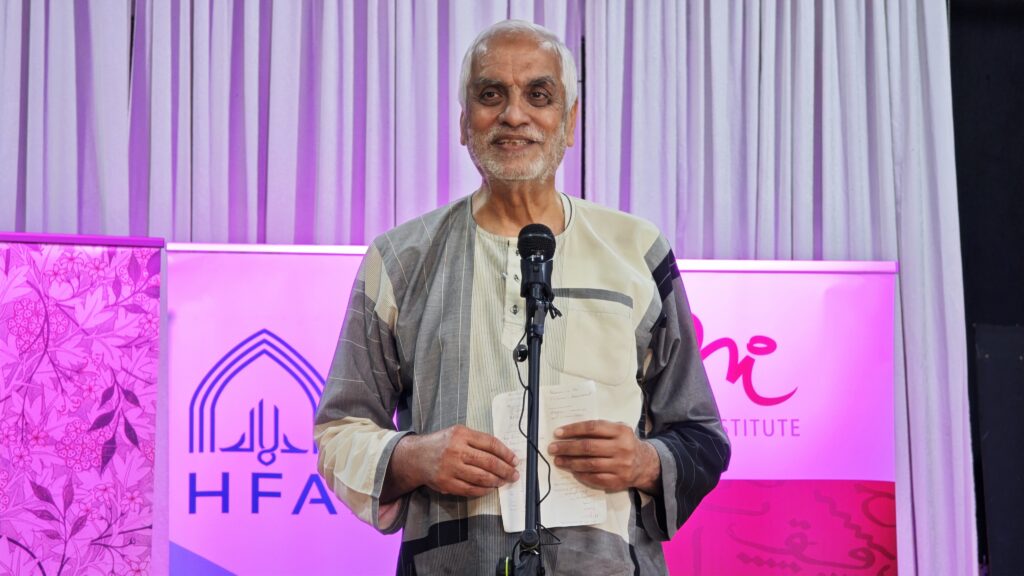
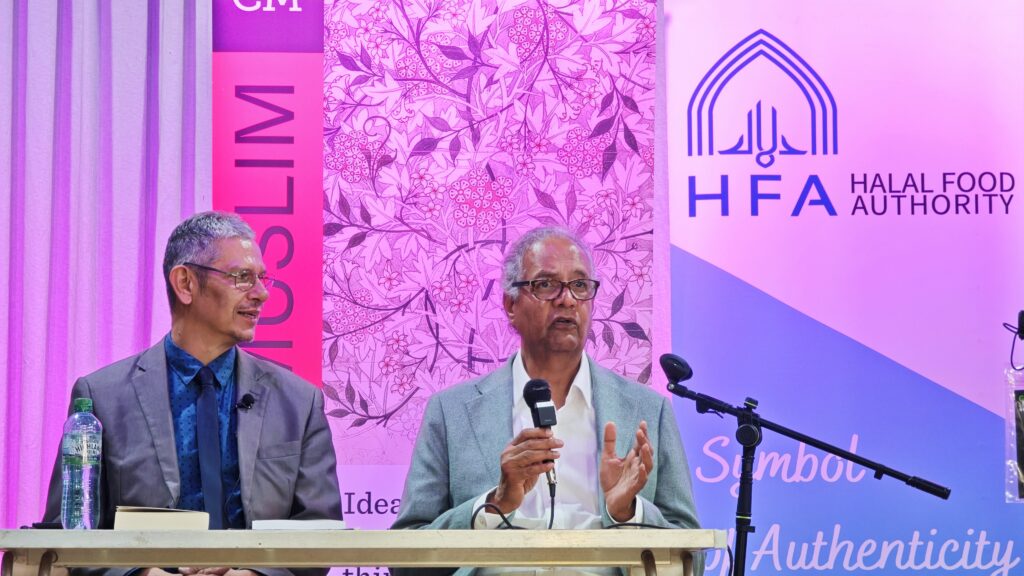
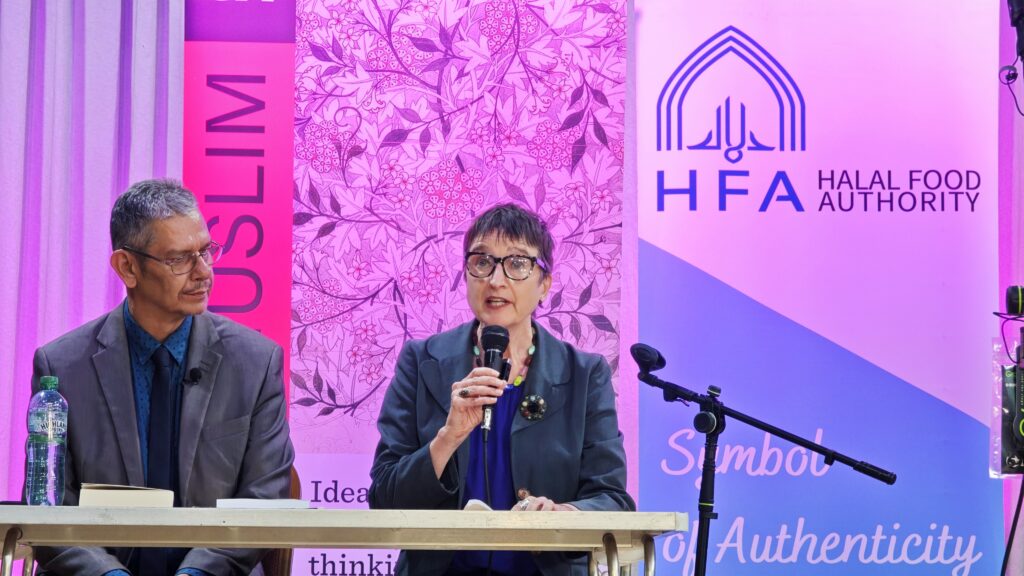
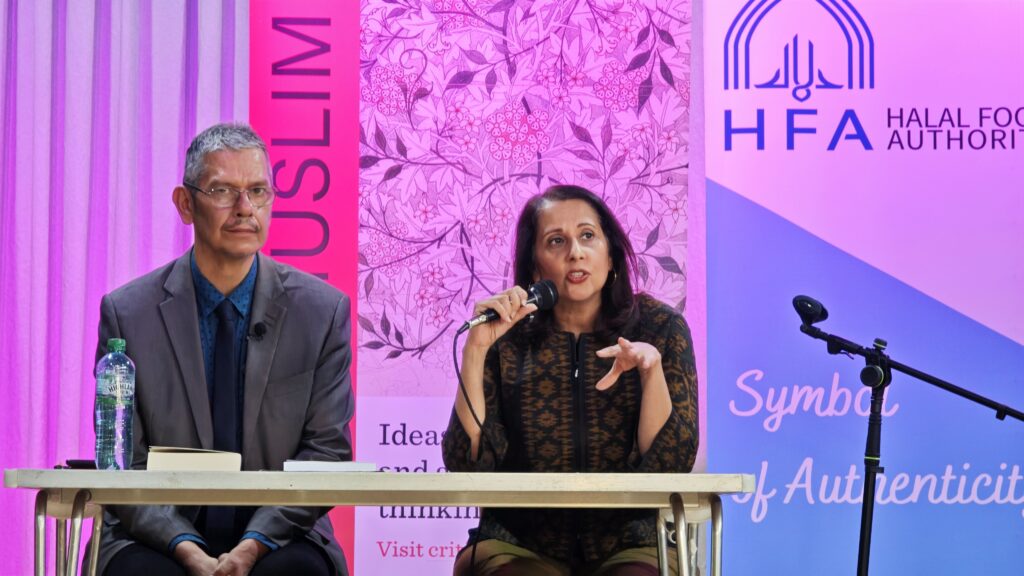
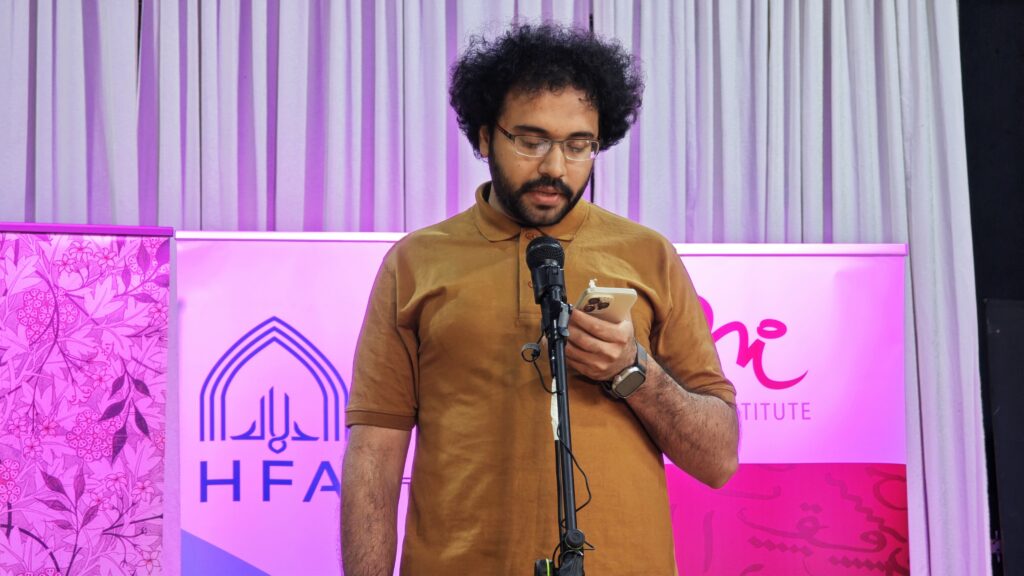
The programme at Kenton Hall ran from 1 p.m. to 6 p.m. and included prayers, a lunch of chicken biryani, kebabs, and samosas, and a series of speeches that offered insight into the breadth, diversity, and inclusiveness that defined Dr Siddiqui’s approach to life.
Remembering His Legacy
Imam Sardar Ahmed Qadri spoke about Dr Siddiqui’s commitment to tolerance, respect for people’s beliefs, and a lifelong dedication to peace.
Ehsan Bari of the Halal Food Authority reflected that if one wishes to witness God’s mercy upon a person, they should look at the family and company that person keeps, observing that good people and good companionship are among life’s greatest blessings.
Aizaz Ahmed, who cared for Dr Siddiqui in his later years, recalled an occasion when someone criticised Iranian people and dismissed their rights because they were Shiite Muslims. Dr Siddiqui immediately challenged the remark, insisting that they were human beings first. The story encapsulated his broader philosophy of finding the good in people and building trust and community from that foundation.
Tehmina Kazi, who led British Muslims for Secular Democracy, described Dr Siddiqui’s work on developing the Muslim Marriage Contract in the UK as groundbreaking, helping to strengthen the rights and protections of both men and women. She added that Dr Siddiqui believed it was more important to build peace among people than to inflame disputes over who was right or wrong.
British writer and poet Naomi Foyle said that Dr Siddiqui’s approach “helped build the Britain I want to live in.” She noted that his advocacy for women’s rights made him one of the most active and principled feminists she had encountered.
Dr Iqbal Asaria reflected on the transformation of Muslim life in Britain over the past six decades. When their work began in 1968, he noted, there were barely 50 mosques in the UK. Today there are more than 2,000. He credited Dr Siddiqui’s community-building efforts with helping British Muslims establish a stronger and more confident presence within British society.
Professor Iftikhar Malik observed that Dr Siddiqui combined three key principles in his approach to life: a focus on ideas, an appreciation of the importance of institutions, and a relentless commitment to bringing people together. Whether people were religious or non-religious, he believed that strong communities were the foundation of peace and prosperity.
Special Gift
After the program, I spoke with his son, Asim Siddiqui, who reflected that while individual success has its place, it is collective success that gives society stability, direction, hope, and aspiration.
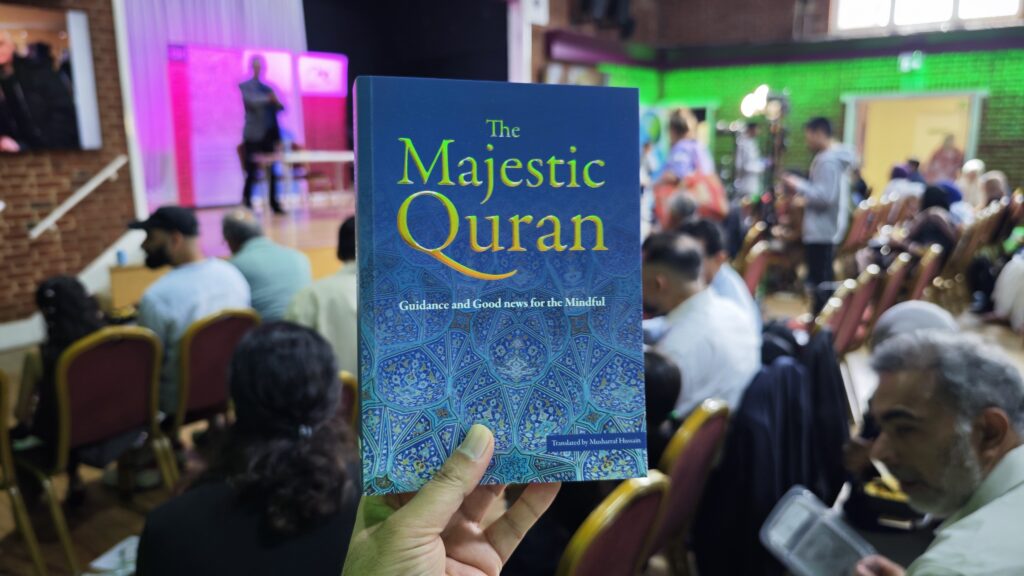
In this spirit, free copies of The Majestic Qur’an, translated by Prof Musharraf Hussain, were made available to attendees.
The translation was produced to make the Qur’an more accessible to English-speaking readers. While many British Muslims may have memorised the Qur’an in Arabic, far fewer have had the opportunity to engage deeply with its meaning and develop a stronger relationship with their Creator through understanding its message.
What became clear during my time at the memorial was that many younger British Muslims may not fully appreciate the foundations that Dr Siddiqui helped establish over recent decades. Through his leadership, he brought together people from across ideological, political, and religious divides, helping them find common ground and common purpose.
It is because of individuals such as Dr Ghayasuddin Siddiqui that British Muslims today are able to participate in and contribute so significantly to British society. His legacy lives on not only through the institutions he helped build but also through the countless lives he influenced and the communities he brought together.
May Dr Ghayasuddin Siddiqui rest in peace.