

Today marks World Hijab Day 2026, a global moment to reflect on the meaning of the hijab, amplify Muslim women’s voices, and challenge the prejudice and discrimination that continue to shape their daily lives.
Since its launch in 2013, World Hijab Day has grown into an important international platform for awareness, learning, and solidarity, Islamic Relief reported.

📚 Read Also: Is Celebrating the World Hijab Day Bid`ah?
It invites people of all backgrounds to engage with the realities Muslim women face in public life and to better understand the social, cultural, and personal significance of the hijab.
This year’s observance places renewed focus on how World Hijab Day can help raise awareness of Islamophobia and encourage collective efforts to confront and counter it,
Muslim women who wear the hijab are often the most visible representation of Islam in public spaces.
In a climate of intensifying Islamophobia, that visibility can result in increased scrutiny, harassment, and violence—realities widely experienced by Muslim women across societies.
Acknowledging Differences
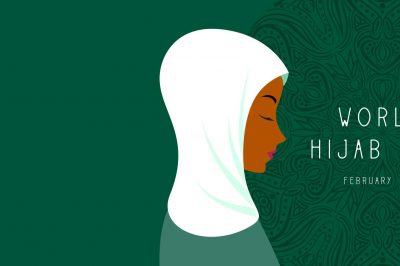
World Hijab Day provides space to centre these lived experiences, acknowledge the challenges Muslim women endure, and confront the normalization of anti-Muslim bigotry.
#UnityInHijab, the theme of World Hijab Day 2026, calls on women of all backgrounds to stand in solidarity with Muslim women against discrimination.
The campaign recognizes that Islamophobia intersects with sexism, racism, and other forms of inequality, creating overlapping barriers that disproportionately affect Muslim women.
Solidarity, in this context, means listening, amplifying Muslim women’s voices, and affirming the hijab as a symbol of identity, dignity, and personal choice—rather than something to be demonized, controlled, or politicized.
Commemorating World Hijab Day must extend beyond symbolic gestures. Meaningful support for Muslim women requires addressing the systems and policies that enable discrimination. This includes stronger protections, accountability, and formal recognition of Islamophobia.
The call for action includes urging the UK government to adopt a clear definition of Islamophobia, ensuring that harm is properly recognised, addressed, and prevented, and that Muslim communities can live in safety and dignity.
In its 14th version, World Hijab Day 2026 serves as a reminder that standing against Islamophobia is a shared responsibility.