As a British Muslim, I’ve visited the Grand Mosque of Paris and experienced French expressions of Islam. But nothing quite prepared me for Côte d’Ivoire, where around 40% of the population is Muslim and the landscape seamlessly alternates between churches and mosques—a quiet symbol of coexistence.
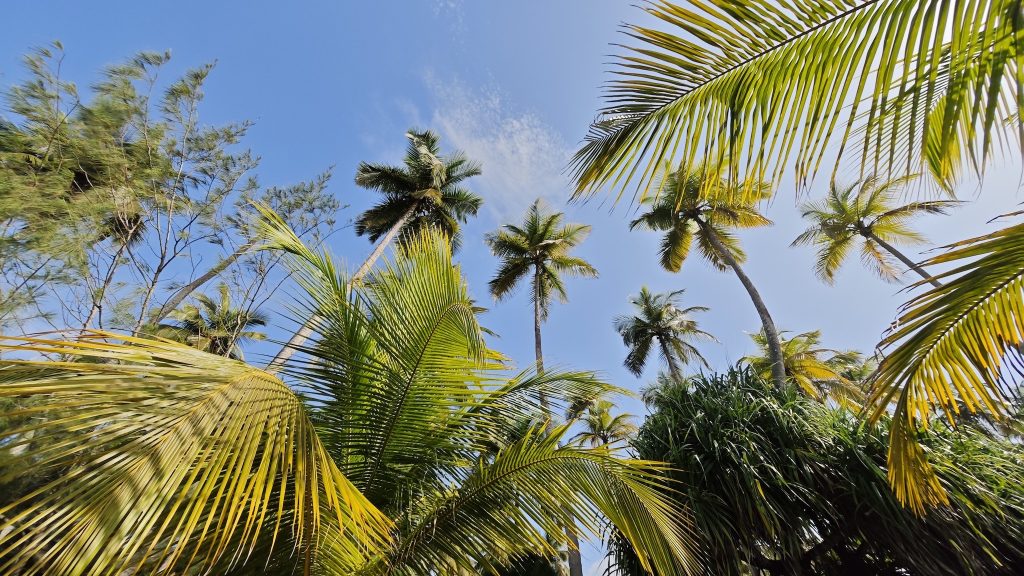
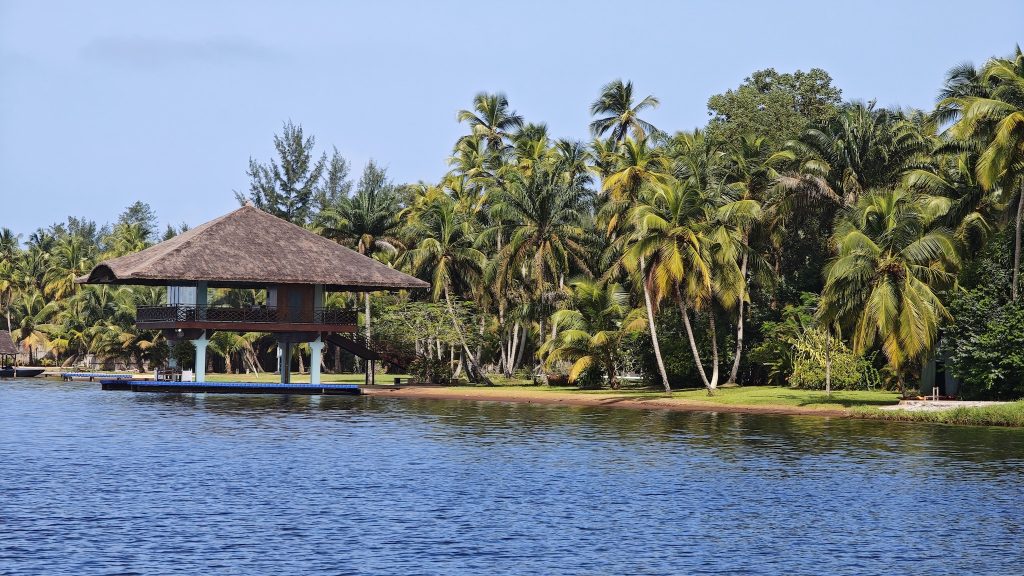
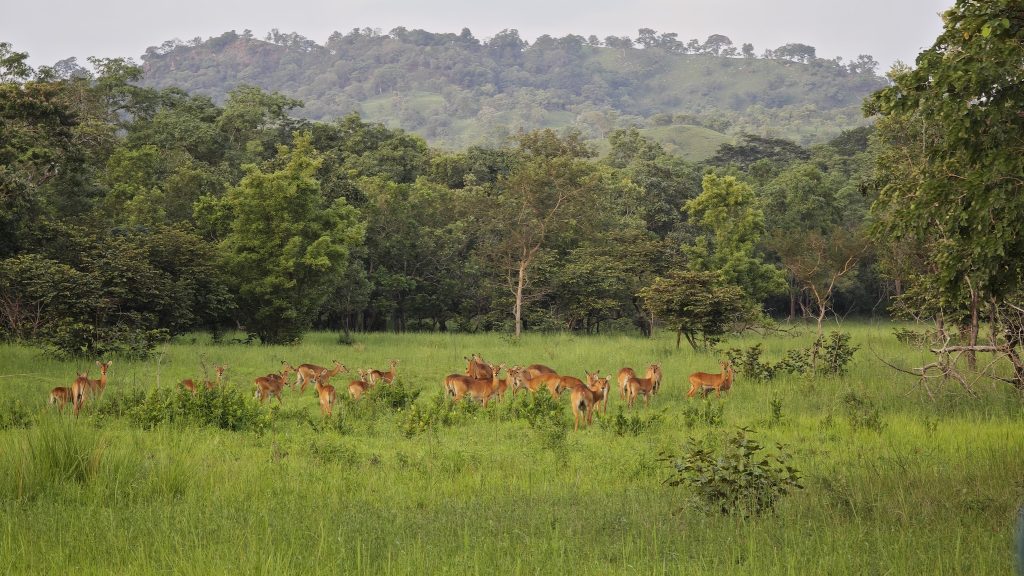
Our stay ranged from a safari at the comfortable N’Zi River Lodge, nestled in a proper African jungle—just like in the movies—to the refined luxury of La Maison Palmier, a heavenly 5-star oasis in Abidjan.

📚 Read Also: British Muslims Celebrate a Different `Eid Al-Adha
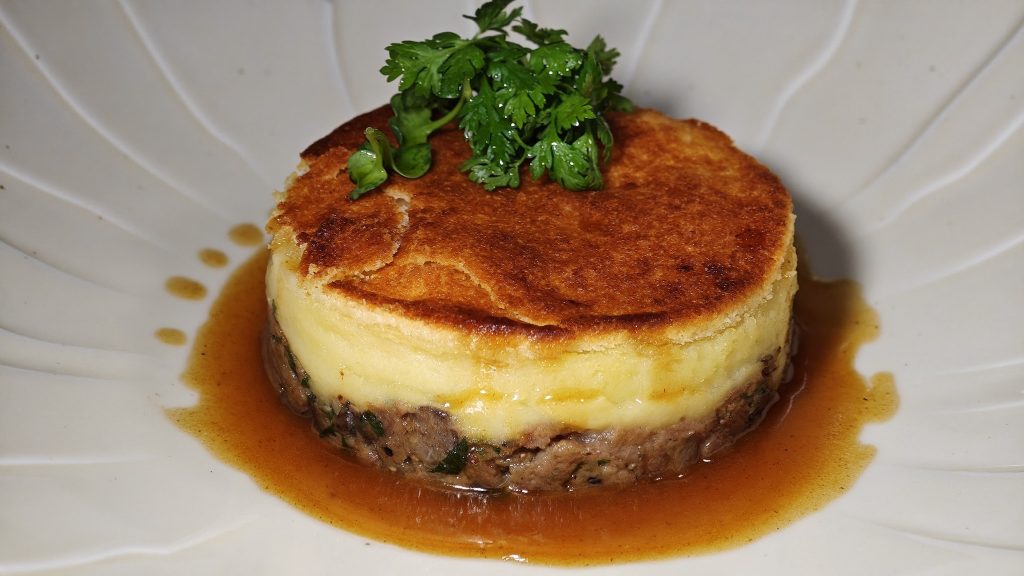
My colleague, Dr. Shagufta Ahmed, was overjoyed to learn that everything at The Palmier Bistro was halal, including the duck—making it the perfect spot for an Eid dinner.
Eid in the Tropics
Friday, the day of Eid, is a national holiday in Côte d’Ivoire, giving our group a rare day off.
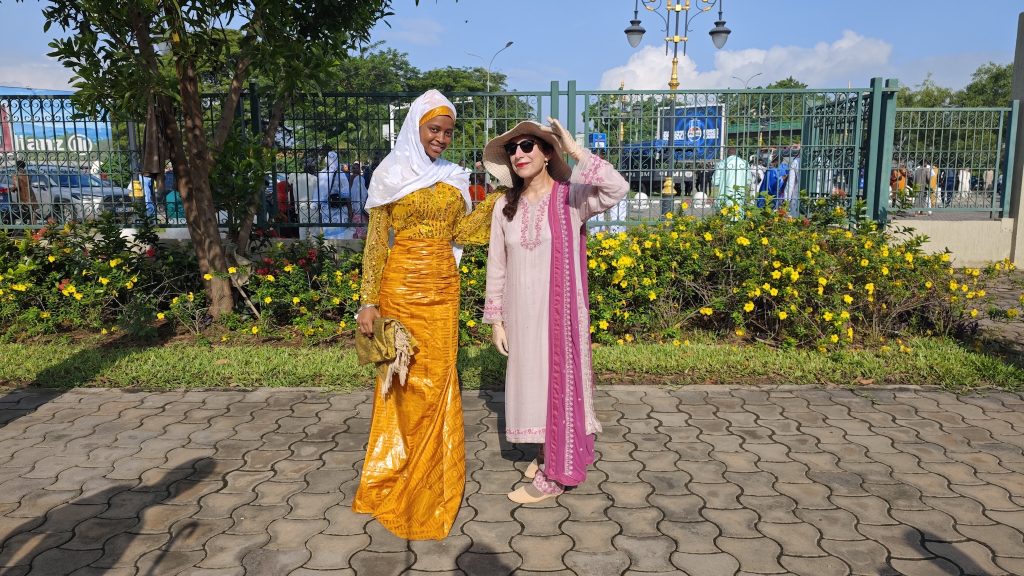
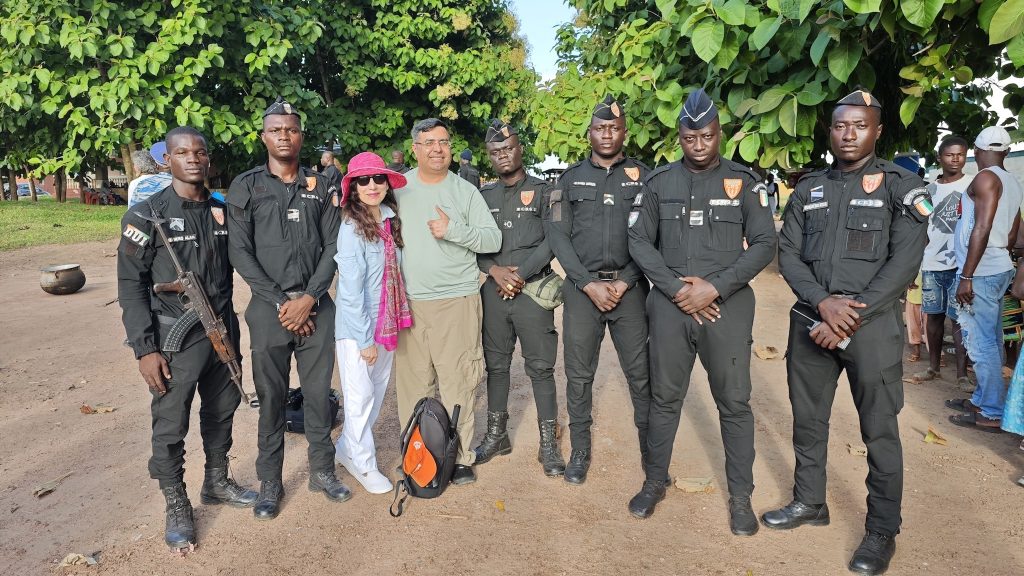
Excited to celebrate in sub-Saharan Africa, Shagufta brought along a traditional Indian/Pakistani shalwar kameez for the occasion. As for me—having seen the weather forecast—I opted for casual trekking gear. Great for comfort, not so great for the photos!
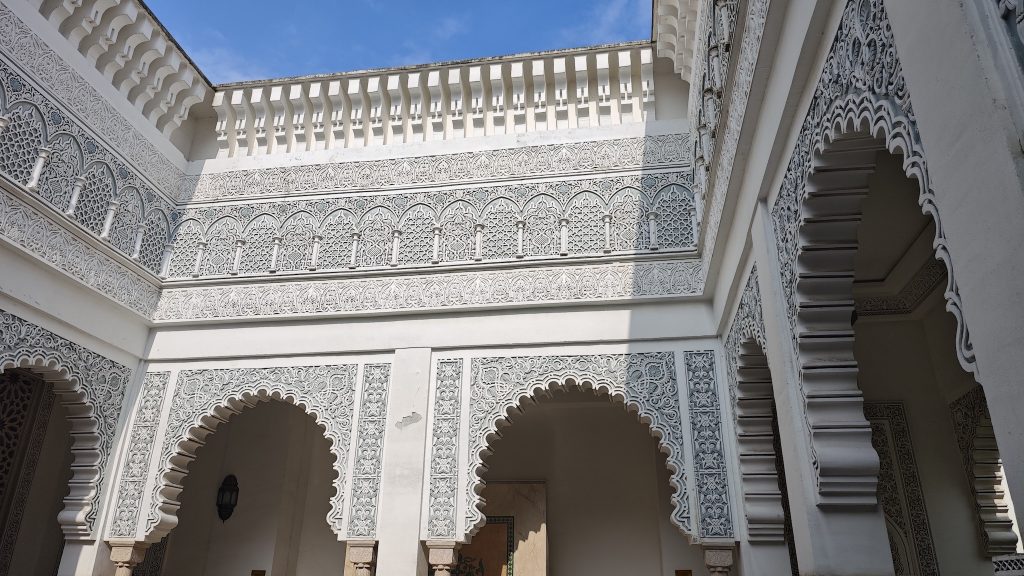
On Eid morning, we had a choice: either visit the main city mosque in the Plateau district, which opened in 2012, or explore the newer Mohammed VI Mosque.
Opened in 2024, this mosque features classical Moroccan architecture with strong Andalusian influences and was only a couple of kilometres from our hotel.
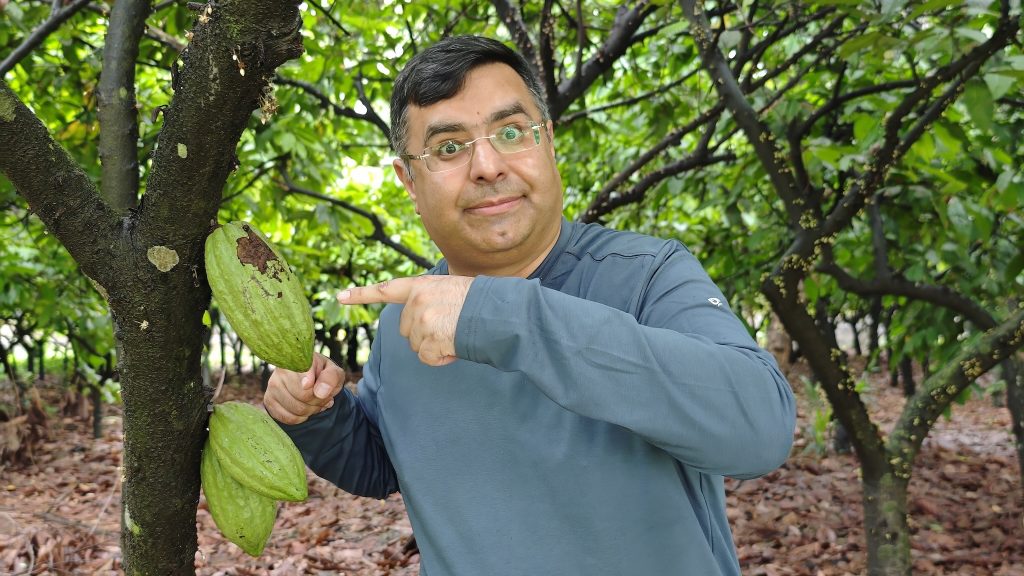
Though I would usually walk 2 km, the heat forced us to look for transport. A friend we made at the Cemoi chocolate factory introduced us to another local translator, who kindly accompanied us to the mosque and ensured we returned safely.
It wasn’t that we couldn’t navigate Yango—Côte d’Ivoire’s version of Uber, offering everything from transport to food deliveries—on our own. It was just the sheer busyness of it all. And it turned out to be a wise choice. The post-prayer rush blocked roads and caused chaos—just like every Eid prayer everywhere. Some Eid traditions really are universal.
A Weekend of Nature and Harmony
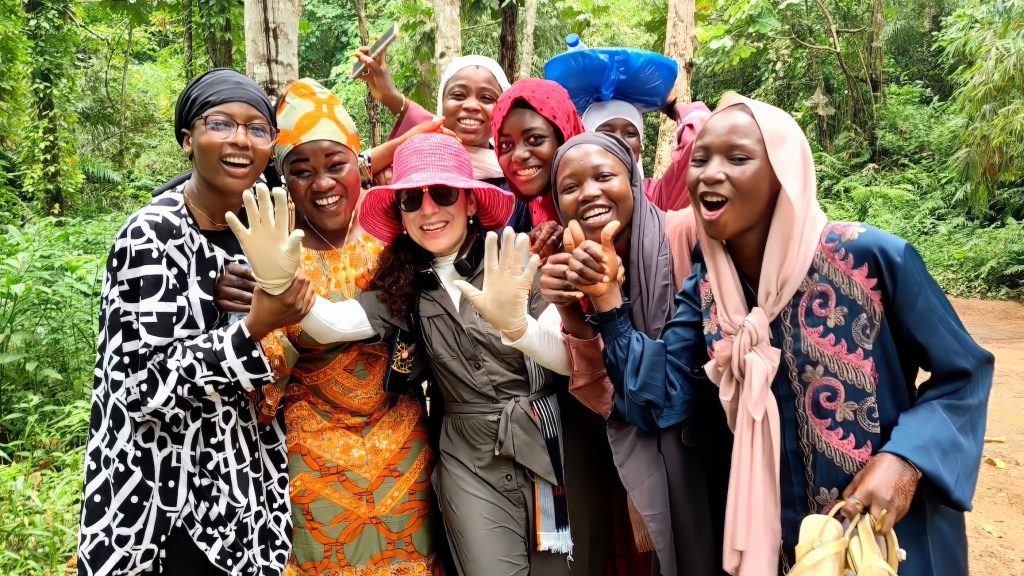
With Eid on Friday and Pentecost on Monday, Ivorians enjoyed a long weekend. On Sunday morning, we headed to Banco Forest, just 30 minutes from the city. Amid stunning flora and fauna, we met locals—young and old—reveling in nature. One group of teenage Muslim girls, on their way to a picnic, asked for a photo with Shagufta, who happily obliged.
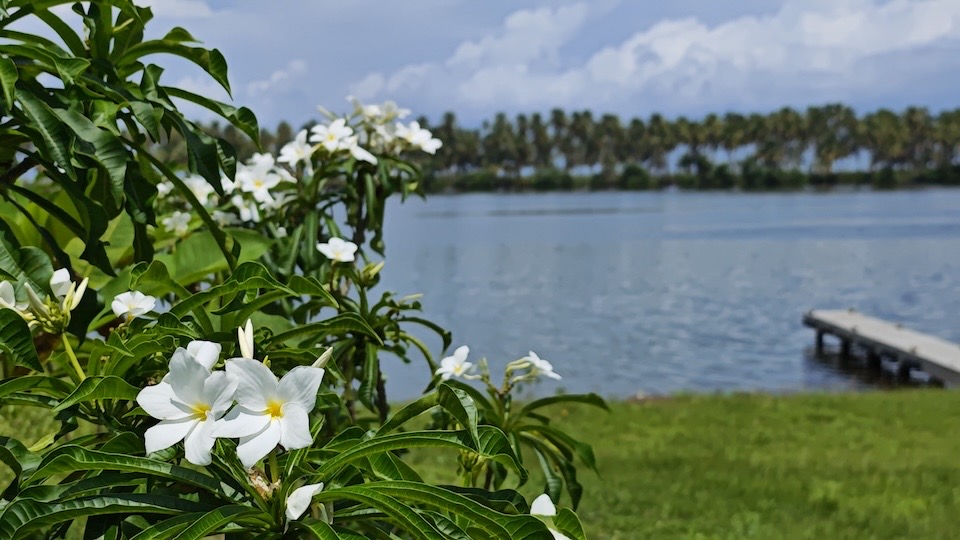
When I first arrived in Côte d’Ivoire, I didn’t know what to expect. But I discovered a land of jungle safaris, fine halal dining, serene forests, and lagoon-side beaches—Assinie-Mafia reminded me of the Caribbean!
More than anything, I found a country rich in culture and diversity. A place where the majority-Christian population and Muslim minority—along with over 60 ethnic groups—live together in relative harmony.
Immigration and diversity are seen as strengths here, adding depth and value to society. It’s a vision sadly at odds with rising populism in many Western countries today.
As the Quran says (49:13), humanity was created in different tribes and nations so we may come to know one another. The verse ends by stating that the most noble among us are the most righteous—not those with the “best” heritage or background, but those who treat others well.
Whether kings or laymen, everyone we met greeted us with warmth and generosity. That shared sense of humanity made our trip to Côte d’Ivoire truly unforgettable. It’s something the rest of the world deserves to experience for themselves—for, as the Ivorians say, akwaba: welcome.